Get Hydromulching
Hydromulching services help property owners quickly establish erosion control, grass, or ground cover on slopes, construction sites, or bare soil areas with the help of local contractors.
Hydromulching services provide a practical solution for property owners looking to establish or restore grass and erosion control on their land. This technique involves applying a mixture of mulch, seed, and water to create a uniform, protective layer that promotes healthy growth and stabilizes soil. Whether preparing a new landscape, rehabilitating disturbed areas, or managing slopes, local contractors specializing in hydromulching can help achieve effective results with minimal disruption to the property.
For those planning landscaping projects or seeking reliable erosion management options, exploring local hydromulching providers offers the opportunity to compare available services tailored to specific site conditions. Connecting with experienced service providers in the area can ensure the work aligns with project goals, providing a practical and efficient approach to land stabilization and revegetation. Keep reading to learn more about how local contractors can support your property improvement needs.
- Landscape Restoration - when areas need erosion control and seed stabilization after construction or natural disturbances.
- Slope Stabilization - for preventing soil erosion on hillsides or uneven terrain.
- Fire Prevention - in regions prone to wildfires, to reduce combustible surface materials.
- Revegetation Projects - when establishing new grass or plant growth on disturbed soil areas.
- Erosion Control for Revealed Soil - in landscaping or construction sites requiring soil stabilization solutions.
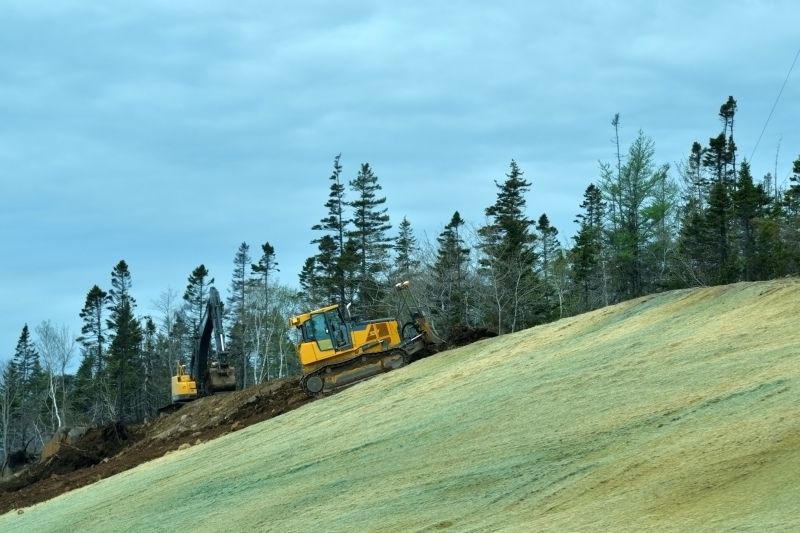
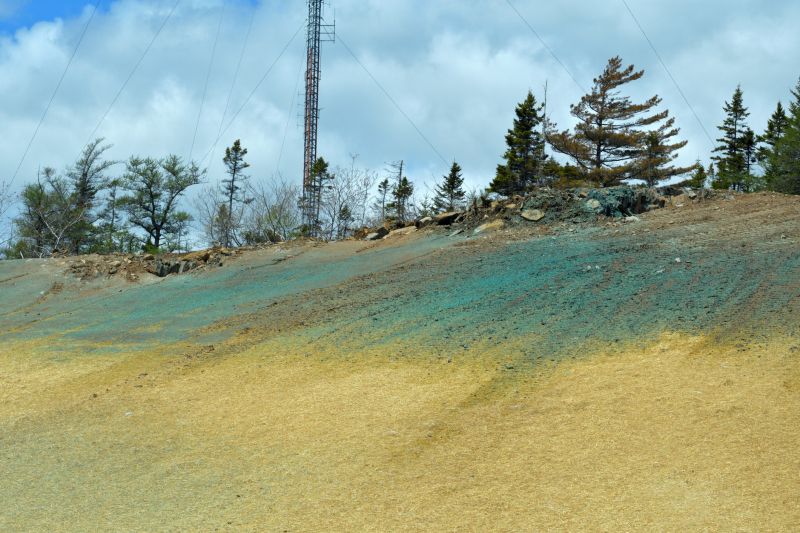
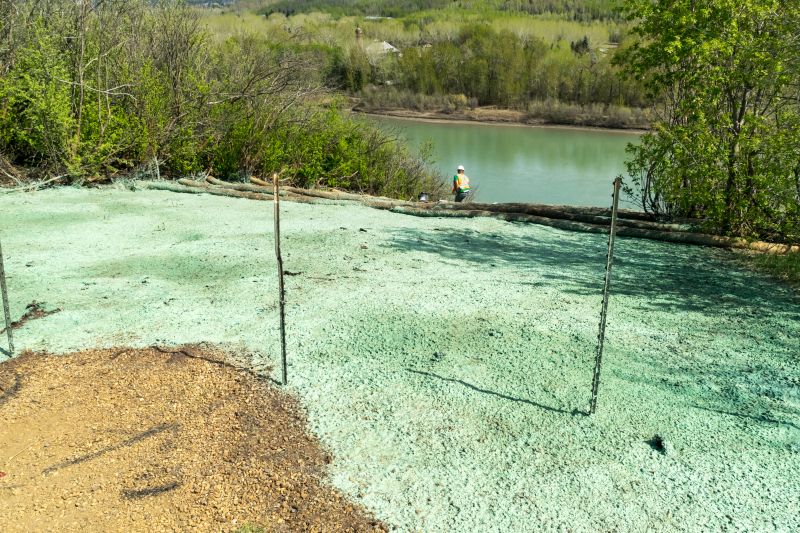
Hydromulching is a versatile landscaping service that involves applying a mixture of mulch, seeds, and sometimes fertilizer to prepared soil using a specialized spraying process. This method creates a uniform layer that helps establish new grass, control erosion, and improve soil stability. It is often used in large-scale projects or areas where traditional planting methods may be less effective or more labor-intensive. By choosing hydromulching, property owners can quickly cover expansive areas with a protective layer that promotes healthy growth and soil retention.
This service is particularly useful for addressing common landscaping problems such as soil erosion, bare patches, and uneven terrain. It can help stabilize slopes, prevent runoff, and improve the overall appearance of a property. Hydromulching also aids in establishing vegetation in difficult-to-reach or challenging areas, making it a practical solution for restoring or improving outdoor spaces. Property owners dealing with erosion issues, preparing for new landscaping projects, or looking to establish grass quickly often find hydromulching to be an effective choice.
Hydromulching services are frequently used on residential properties, commercial sites, parks, and construction zones. Homeowners with large yards, hillside gardens, or areas prone to erosion may seek out this service to improve their landscape’s stability and appearance. It is also popular among property developers and contractors working on new developments or renovations, where rapid grass establishment can help meet project timelines. Whether for a backyard makeover or a large-scale development, local contractors can provide hydromulching tailored to the specific needs of each property.
Homeowners considering hydromulching should look for local service providers experienced in soil preparation and vegetation establishment. This service can be an efficient way to improve the health and stability of outdoor spaces, especially in areas with challenging terrain or ongoing erosion concerns. By connecting with local contractors, property owners can compare options and find the right solution to help their landscape thrive. Hydromulching offers a practical approach to creating a lush, stable, and attractive outdoor environment.
The overview below groups typical Hydromulching projects into broad ranges so you can see how smaller, mid-sized, and larger jobs often compare in your area.
In many markets, a large share of routine jobs stays in the lower and middle ranges, while only a smaller percentage of projects moves into the highest bands when the work is more complex or site conditions are harder than average.
Smaller Repairs - For minor patching or touch-up work, local contractors typically charge between $250 and $600. Many routine jobs fall within this range, making it a common cost band for small-scale projects.
Standard Reapplication - Replacing or renewing hydromulch on larger areas generally costs between $1,200 and $3,000. This range covers most typical projects, with fewer jobs reaching higher prices for extensive or complex installations.
Full Site Covering - Complete coverage of a large property can range from $3,500 to $7,000, depending on size and site conditions. Larger, more detailed projects tend to push into the higher end of this spectrum.
Specialized or Complex Jobs - Projects requiring specialized materials or intricate work can exceed $7,000 and may reach $10,000+ in some cases. These are less common but represent the upper tier of project costs handled by local service providers.
Actual totals will depend on details like access to the work area, the scope of the project, and the materials selected, so use these as general starting points rather than exact figures.
Seeding and Turf Establishment - contractors skilled in soil preparation and planting can apply similar techniques to hydromulching for erosion control and seed dispersal.
Soil Erosion Control Projects - local service providers experienced in stabilizing slopes and preventing runoff often utilize hydromulching as part of their erosion mitigation methods.
Landscaping and Reclamation - professionals involved in restoring disturbed land use hydromulching to establish ground cover and promote healthy growth.
Dust Suppression Services - contractors that control airborne dust on construction sites may employ hydromulching to reduce particulate matter effectively.
Hydroseeding Projects - those performing hydroseeding share similar equipment and techniques with hydromulching, making the skills transferable.
Slope Stabilization Projects - local contractors experienced in stabilizing steep or vulnerable slopes often use hydromulching to secure soil and prevent erosion.
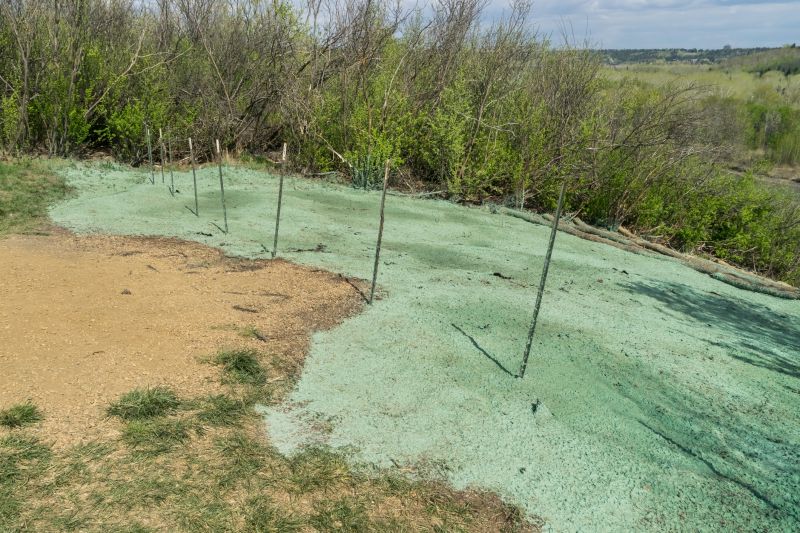
When evaluating potential service providers for hydromulching, it’s important to consider their experience with similar projects. Homeowners should inquire about how long the contractors have been working in the field and whether they have completed projects comparable in size and scope. A contractor’s familiarity with different types of terrain and landscaping conditions can impact the quality and durability of the work. By understanding a provider’s background with comparable jobs, homeowners can gain confidence that the contractor has the practical knowledge needed to handle specific site requirements effectively.
Clear, written expectations are essential to ensure that both parties have a shared understanding of the project's scope and deliverables. Homeowners should seek detailed proposals or estimates that outline the work to be performed, materials to be used, and any specific procedures or standards the contractor follows. Having this information in writing helps prevent misunderstandings and provides a reference point throughout the project. When comparing local service providers, look for those who communicate their process clearly and are willing to document project details, as this indicates professionalism and transparency.
Reputable references and good communication are key factors in selecting a reliable hydromulching contractor. Homeowners can ask potential service providers for references from past clients who had similar work done. Contacting these references can provide insights into the contractor’s reliability, quality of work, and ability to meet expectations. Additionally, effective communication-prompt responses to questions, clarity in explanations, and openness to discussing project specifics-can make the entire process smoother. While the site introduces homeowners to local options, it’s important to remember that connecting with experienced, communicative, and well-referenced service providers is a crucial step in ensuring a successful hydromulching project.
Property owners use Hydromulching services for practical projects around their homes and businesses. This guide focuses on everyday jobs and straightforward project options.
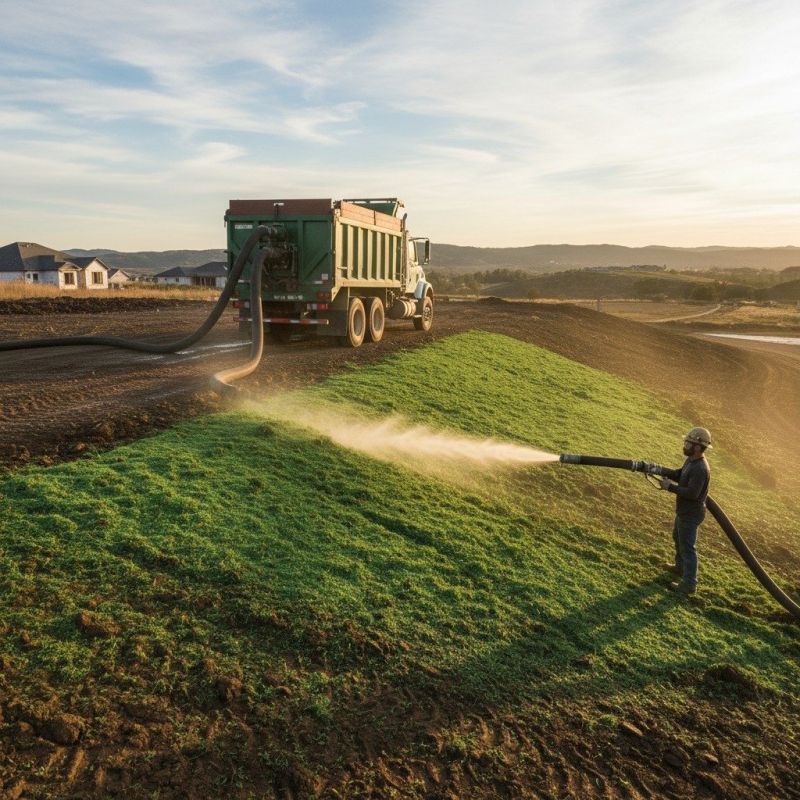
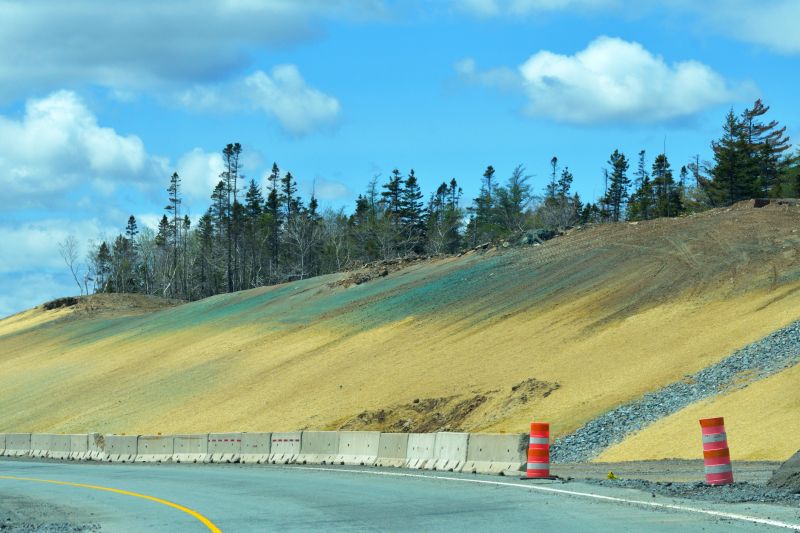
Hydromulching services are often sought after by property owners looking to establish new lawns, control erosion, or quickly improve the appearance of barren or disturbed soil. Whether preparing a construction site for landscaping or restoring a degraded area after storm damage, local contractors can provide effective solutions to cover large areas efficiently. Property owners might also consider hydromulching to help seed grass or other vegetation in difficult-to-reach spots, ensuring a uniform and healthy growth pattern.
In addition, those managing outdoor spaces such as parks, sports fields, or commercial properties may turn to local service providers for hydromulching to achieve quick, reliable results. This method can be a practical choice for stabilizing slopes, preventing dust, or creating a clean, finished look on various terrains. Connecting with experienced local contractors can help property owners find the right approach for their specific project needs.
What is hydromulching used for? Hydromulching is commonly used for erosion control, seed protection, and establishing vegetation on slopes, lawns, and large landscape areas.
How does hydromulching differ from traditional mulch? Hydromulching involves spraying a mixture of mulch, seed, and water onto surfaces, providing quicker coverage and better soil contact compared to traditional mulch spreading methods.
Can hydromulching be applied on different types of terrain? Yes, local contractors can handle hydromulching on various terrains, including slopes, uneven ground, and large open areas.
Is hydromulching suitable for new landscaping projects? Hydromulching is often used in new landscaping to help establish grass and plants quickly and effectively.
What types of materials are used in hydromulching? Hydromulching typically uses mulch fibers, seed, water, and sometimes tackifiers to ensure proper adhesion and growth.
Soil Erosion Control - Hydromulching can help stabilize slopes and prevent soil erosion in yards or garden beds. Local contractors can apply the mulch to protect the land during heavy rains or wind.
Landscape Restoration - This service is useful for rejuvenating bare patches of grass or damaged lawns, creating a uniform, healthy surface. Service providers can help establish new turf quickly and effectively.
Fire-Resistant Landscaping - Hydromulching can be part of creating defensible space around a home by covering combustible areas with fire-resistant mulch. Local pros can assist in implementing fire safety measures.
Erosion Control for Construction Sites - Hydromulching can be used to manage dust and stabilize disturbed soil during construction or landscaping projects. Local contractors can help ensure site stability and compliance.
If you are thinking about Hydromulching for a property, this guide is meant to help you understand the work, the typical project types, and how different options might fit your plans.
When you are ready, you can use the quote form on this page to share a few details about your project. From there, local pros can review the basics and respond with options that match what you have in mind.